
Meet Dr. Manuel Morales Fontanilla: Exploring Cycling History, Safe Streets, and Mobility Justice
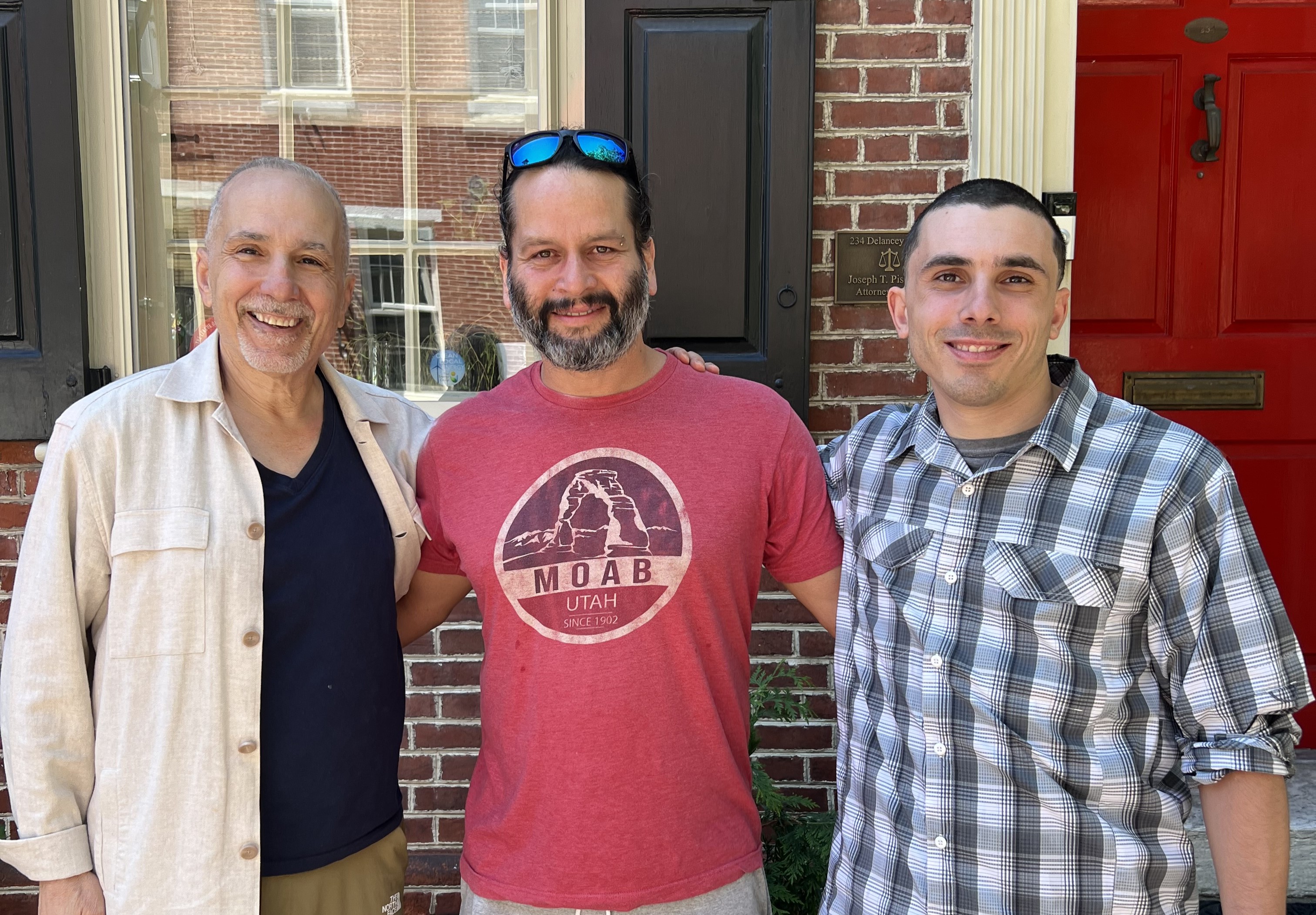
Meet Professor Manuel Morales Fontanilla — A Penn State Abington historian and cycling scholar, and author of the forthcoming book: "Impossible Roads: A Cycling History of Colombia." Dr. Morales is a former client of Piscitello Law.
Where the Road Meets Justice
Cycling is more than a sport. It is transportation, culture, and, for many people, a daily necessity. Yet the ability to travel safely by bicycle is not shared equally. The question of who gets protected bike lanes, well-maintained roads, and safe crossings often reflects broader issues of equity and public investment.
Few people understand those questions better than Dr. Manuel Morales Fontanilla. A historian of cycling and social power, an active Philadelphia-area cyclist, and a former client of Piscitello Law. Professor Morales brings both academic and personal insight into the challenges facing vulnerable road users. His work on cycling history and mobility justice offers an important perspective on the conversations shaping transportation and safety in our region and across the country.
Getting to Know Dr. Morales
We met Manuel Morales following a bicycle crash in North Philadelphia in 2025. Over the next year, our conversations extended well beyond his case and into his work as a historian of cycling and mobility.
What struck us was how relevant his research is to many of the issues shaping conversations about cycling today. His work explores questions that remain at the center of transportation policy: Which communities receive funding for safer roads, sidewalks, and bicycle infrastructure? How can public investments be directed toward neighborhoods that face the greatest risks from dangerous road conditions? We found his perspective both insightful and timely, and we are pleased to share more about his work below.
A Scholar Who Rides
Born in Bogotá, Colombia, Professor Manuel Morales Fontanilla is an Assistant Professor of History and Race and Ethnic Studies at Penn State Abington. He holds a law degree from the Universidad Nacional de Colombia, a master's degree in history from Universidad de los Andes, and a Ph.D. in History from the University of California, San Diego.
His teaching and research focus on sports, physical culture, and inequality in Latin America.
Impossible Roads: Cycling, Power, and History
Professor Morales Fontanilla's forthcoming book, Impossible Roads: A Cycling History of Colombia, explores how cycling evolved from a competitive sport into a powerful cultural and political force. The book traces the evolution of competitive cycling in Colombia from its earliest organized races through its emergence as a mass cultural phenomenon, a sport capable of unifying a fractured nation and, simultaneously, being weaponized by those in power.
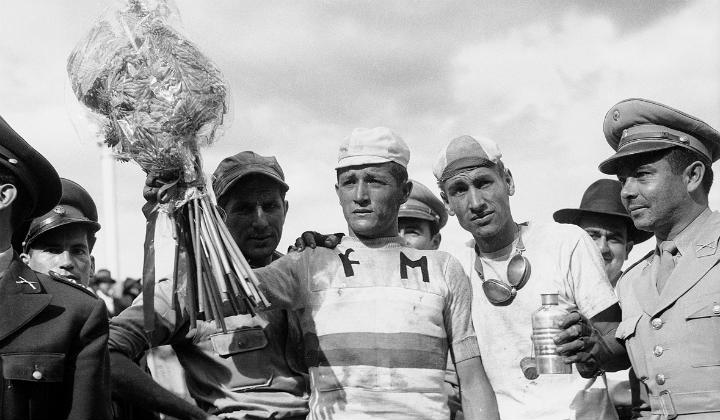
Image of Ramón Hoyos Vallejoello (Foto©Archivo Revista Mundo Ciclístico)
His published scholarship examines how cycling and physical culture intersect with political power, national identity, and social inclusion. In his 2023 Routledge essay, "The General's Vuelta: Cycling and Dictatorship During Colombia's La Violencia, 1953–1958," he examines how the Vuelta a Colombia — the country's premier cycling race — was deliberately used as a political tool under the military regime of General Gustavo Rojas Pinilla. Riders such as Ramón Hoyos Vallejoello became national icons because the government needed heroes who could divert public attention from extraordinary violence.
Access to Safe Streets
Dr. Morales’ work reminds us that cycling provides a unique perspective on equity, public investment, and the fundamental importance of safe, accessible transportation for all. The questions his work raises are remarkably current: Who has access to safe roads? Which communities receive investment in transportation infrastructure?
Across Pennsylvania and New Jersey, investments in bicycle and pedestrian infrastructure have expanded in recent years, but too many communities still lack the protection and connectivity needed for safe travel. Every cyclist and pedestrian deserves to make it home, regardless of their zip code. Thank you, Dr. Morales, for allowing us to share your work.